Online Store: When Shoppers Search for Holiday Discounts
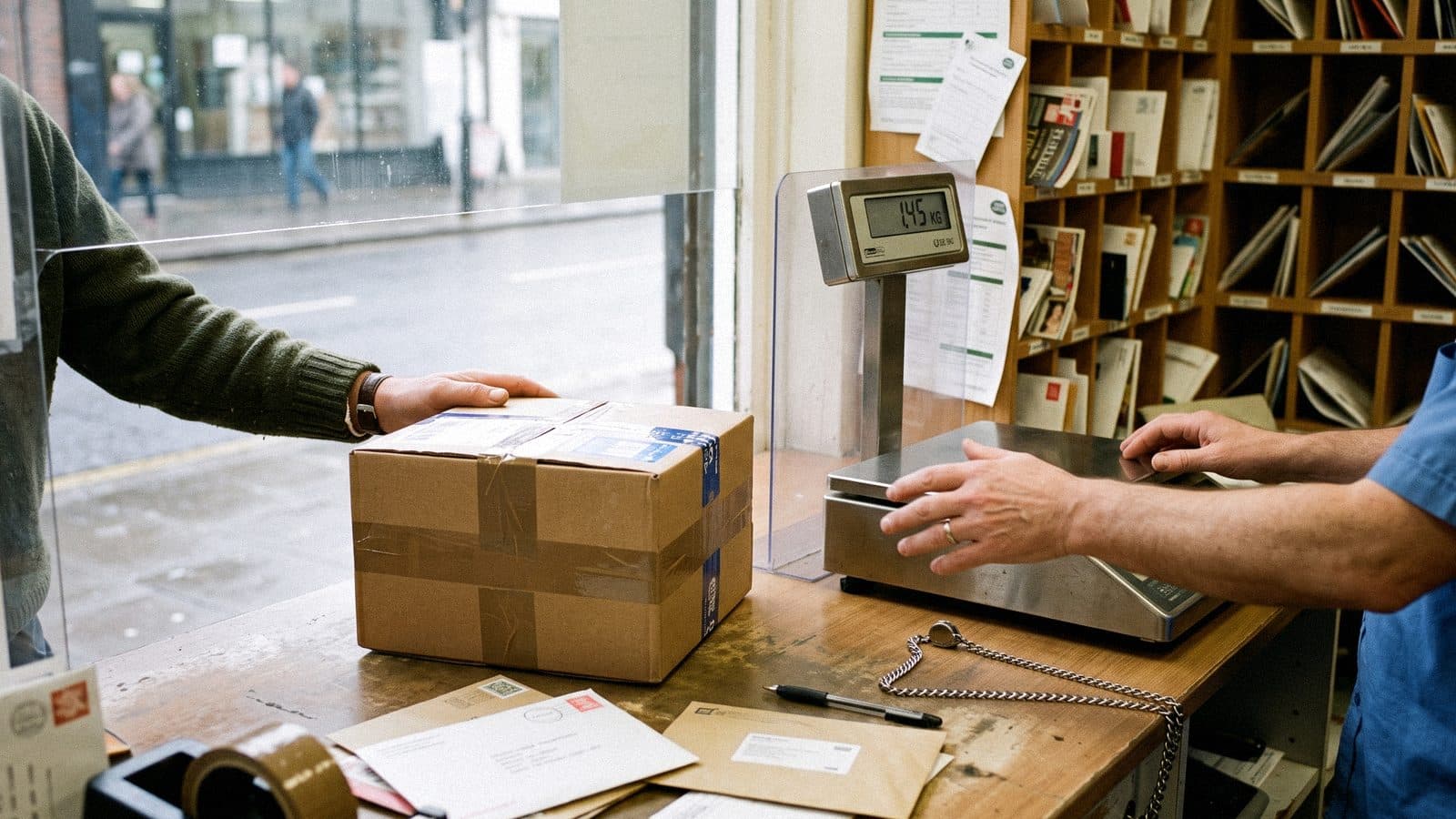
Google reveals when shoppers search most for holiday discounts
Google has introduced a new tool called the "When to Buy Guide", which uses data from Google Search along with discount data to show when prices and promotions peak during the holiday period. For an online store owner, this means one very concrete thing: there is now a public window into exactly when your customers are looking for the best deals, which you can use to plan the timing of your promotions and inventory.
If you sell online, this news is not just a curiosity for shoppers. It is a signal of when demand will rise, when competition will be fiercest, and when your store needs to be technically and content-wise ready to turn that demand into actual purchases.
What exactly did Google publish?
Google released a guide that draws on two data sources: Google Search trends and data on discount depth throughout the holiday season. By combining these, the tool shows when certain product categories are cheapest, or when promotions are most aggressive.
In simple terms, Google took a huge amount of data about what people search for and when discounts run deepest, and turned it into a guide for smarter holiday shopping. It is built for shoppers, but that is exactly why it is so valuable for retailers, since it reveals behavior on the other side of the sales process.
Why does this matter right now?
The holiday season, from Black Friday and Cyber Monday through December shopping, accounts for a disproportionately large share of annual revenue for many online stores. A poorly timed promotion or an overloaded website at the wrong moment can mean lost revenue that takes months to recover.
The fact that Google now publicly shows when demand and discounts peak means your customers have access to more information than ever. They are becoming more patient and more calculating. They wait for the right moment, compare prices, and buy more deliberately. An unprepared store quickly loses the race against better-organized competitors.
Does this affect my online store?
Yes, although indirectly. Your prices and promotions do not exist in a vacuum, they exist in an environment where shoppers have increasing access to data about when something is "really cheap." If your store offers a discount at the wrong time or one that is too shallow, some customers will simply skip it and wait for a deeper discount elsewhere.
At the same time, this is an opportunity. If you understand when demand rises for your categories, you can place your promotions where they will have the greatest impact and avoid periods where margins just shrink without extra traffic.
What does this mean for small and medium Slovenian businesses?
Small and medium Slovenian businesses often compete against large foreign retailers with entire teams dedicated to analytics and advertising. The good news is that publicly available data, such as this Google guide, partly levels the playing field. Even a smaller store can plan more intelligently by relying on actual customer behavior instead of guesswork.
In practice, this means three things:
- Right timing for promotions. Align your discounts with periods when customers are actually searching for your products, not just when you happen to have excess stock.
- Clearly communicated value. A customer who knows the average discount level can quickly spot a fake promotion. An honest, clearly presented discount builds trust.
- Technical readiness. When demand surges, your online store and ecommerce setup needs to run flawlessly, quickly, and without checkout errors.
What should I do with my store before the holidays?
Prepare your store for the surge in demand before it happens, not during it. Most lost revenue during the holiday period is not caused by too little traffic, but by a store that fails to convert visitors into buyers.
1. Make sure it is fast and stable
When traffic increases, a slow website gets even slower. Every extra second of load time translates into lost sales. Before the holidays, check your loading speed, optimize product images, and confirm the reliability of your hosting. A store that crashes right on Black Friday loses not only that day's sales, but also customer trust.
2. Simplify the path to purchase
Every extra step in the cart and checkout is a place where a customer can give up. Clearly displayed shipping costs, multiple payment options, and the ability to buy without creating an account significantly increase completed orders. During a period when customers decide quickly and compare several stores at once, friction in the buying process is your biggest enemy.
3. Align promotions with demand
Instead of spreading discounts evenly across the entire season, concentrate them during periods when interest in your products peaks. Google's guide confirms that discounts fluctuate throughout the season. For you, that means it is better to run one well-planned and clearly communicated promotion than ten random markdowns.
4. Prepare your content and product descriptions
During the holidays, shoppers are often looking for gifts and do not know exactly what they want. Quality product descriptions, clear photos, reviews, and gift suggestions help them choose your store. This also benefits your search visibility long term, since Google rewards useful content.
5. Do not forget mobile shopping
A large share of holiday shopping happens on phones, often while waiting, on the go, or in the evening on the couch. If your store is not clear and easy to use on a mobile screen, you are losing exactly the impulse purchases that are most common during this period.
Carpolab's take: data is only an opportunity for those who are prepared
At Carpolab, we see the same mistake every year. Businesses start thinking about holiday promotions only in November, when it is already too late for serious preparation. Tools like Google's guide are valuable, but only if you use them to plan ahead, not to put out fires during the season.
The real value of this guide is not that you, as a shopper, will save a few euros. The value for you as a retailer lies in understanding that your customers are better informed than ever and make decisions based on data. A store that does not keep up ends up selling at ever-lower margins just to grab attention.
The solution is not to always be the cheapest. The solution is a store that runs fast, builds trust, presents its offering clearly, and guides customers smoothly toward a purchase. That is when you can compete on value and experience, not just on price.
If you are considering a new online store or a redesign of your existing one before the next holiday season, now is the right time. You can check an approximate price and project scope with our calculator, and for a specific conversation about your store, reach out via contact.
Frequently asked questions
Do I need a big ad budget for smart holiday sales?
Not necessarily. A lot can be achieved simply through proper timing of promotions, a well-prepared store, and clearly presented value. Advertising amplifies results, but it cannot make up for a store that converts visitors into buyers poorly. Start by getting the fundamentals right.
When should I start preparing my store for the holiday season?
As early as possible, ideally several months in advance. Technical improvements such as speed and reliability, along with content preparation, take time. If you wait until November, you risk having to fix problems exactly when you should be selling.
How do I know when my customers are most active?
Combine publicly available data, such as Google's guide, with your own analytics from previous seasons. Search patterns together with your traffic data show when it pays off to launch promotions and when to boost inventory. If you do not yet have this kind of analytics in place, that is the first step to take before the next season.
Source: Google Ads & Commerce
More news
Read all →


Every new article in your inbox
Every new article in your inbox