A restaurant website: what guests really look for before they book
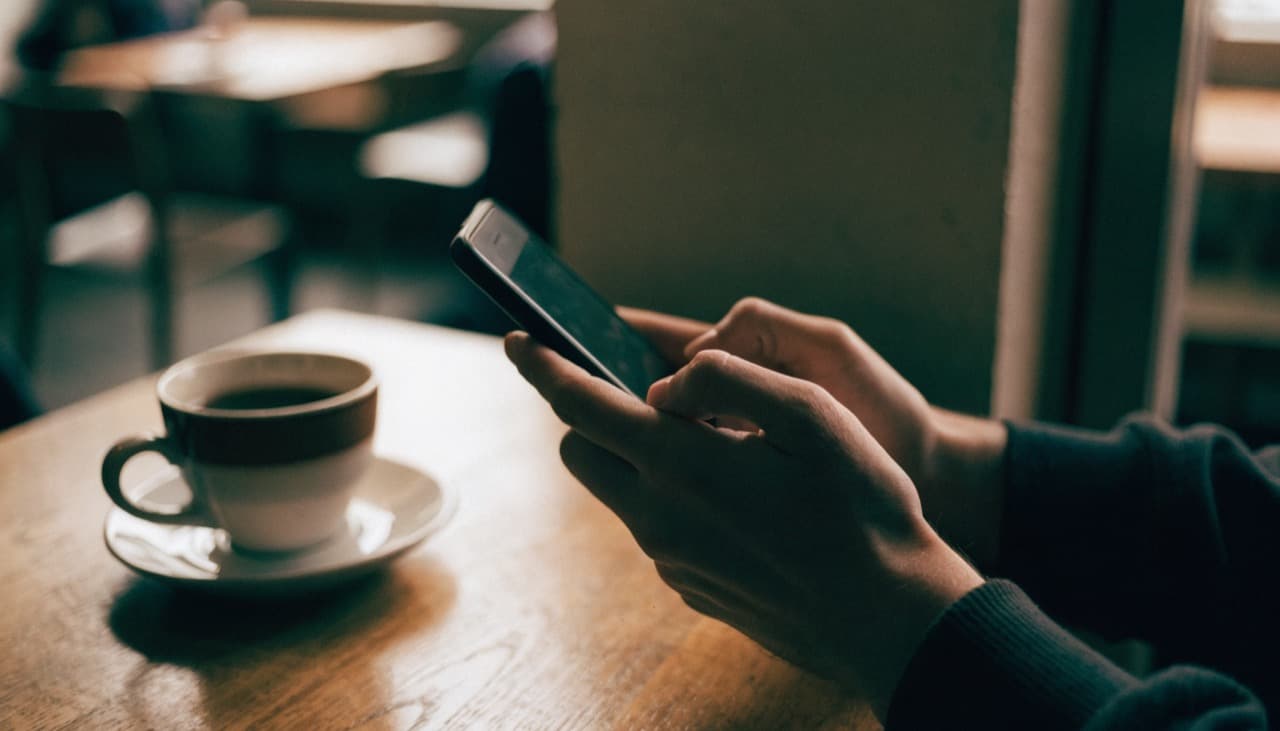
A guest deciding where to eat almost always turns to the web first. Within minutes they check the menu, the price range, opening hours, location and photos of the space and the food. If they cannot find this information quickly and clearly on your website, they will not call to ask, they will simply open a competitor's page. This is the most common yet completely invisible reason restaurants lose guests without ever knowing about it.
In this article we explain what a guest expects from a restaurant website, which mistakes cost you bookings, and how to approach things so your site becomes your best waiter, working around the clock.
Why the decision happens online, not at the door
The days when people walked past a venue and spontaneously decided to step in are largely gone. Today the path to the table is different. A guest first types something like "restaurant Kranj lunch" or "where to eat nearby" into their phone, then scans a few results and quickly discards those that look unreliable or unclear.
The decision about whether someone becomes your guest or a competitor's guest is therefore made long before they walk through the door. It is made the moment they compare websites and profiles. So it is no exaggeration to say your website is the first contact with the guest, and often the last one if it fails to convince.
For a restaurant this means one thing: the information a guest is looking for must be available immediately, without searching, without calling and without guessing.
What a guest checks in the first thirty seconds
Although every guest looks for something of their own, the list of priorities differs surprisingly little between people. When someone opens a restaurant page, they usually check the following within moments.
The menu
The menu is the most frequently sought content on a restaurant page. Guests want to know what you offer and whether you have something for them, for example a vegetarian dish, a children's menu or a gluten-free option. If the menu is merely a pdf file that opens slowly on a phone and has to be constantly zoomed, you have already lost part of your guests. The menu should be part of the page, readable on a phone and regularly updated.
Price or price range
Guests want a sense of whether your offering suits them. It is not essential to list prices down to the cent for every dish, but a few price reference points help a guest feel safe and free of fear of a surprise at the end of the meal.
Opening hours
Wrong or outdated opening hours are one of the most painful reasons for a lost guest. If someone arrives at a locked door because your site said you were open, you will probably never repair that disappointment. Opening hours should be clear, current and include holiday exceptions.
Photos
People eat with their eyes first. Quality photos of food and the space say more than a long description. Grainy, dark or dated images do the opposite and raise doubt. Photos are often what tips the scale in your favour or against you.
Location and how to book
Guests want to know where you are, how to get to you and how to reserve a table. A link to a map, information about parking and a simple booking method are essential, not an add-on.
The cost of missed opportunities
The problem with a lacking restaurant website is that the damage is silent. You do not see the guests who did not come. You do not hear the phone that did not ring. You only see empty tables and assume it was simply a slow week.
Let us look at what is really happening behind the scenes.
- A guest opens your page, cannot find the menu and opens the next result within three seconds. You lost them without knowing they were there.
- A tourist in your town looks for a place to dine, but your page is not adapted to phones and the text is too small. They choose a venue their phone immediately makes clear.
- A group looking for a place to celebrate cannot find whether you accept larger bookings, so they call someone else.
- A guest arrives at the door based on outdated hours, finds it closed and does not forget the experience.
Each of these cases is lost revenue that never appears in any statistic. That is exactly why it is so dangerous. A business that does not measure this concludes the problem lies in the food, price or season, when in reality the problem is that the guest never reached the table at all.
Common mistakes on restaurant sites
Over the years a few typical mistakes keep recurring that quietly take guests from restaurants.
The menu only as a pdf or an image
A pdf menu on a phone is slow, awkward to read and often outdated, because updating it is tedious. Search engines also understand it less well, which means your offering appears more poorly in search results. A menu embedded as text on the page solves all three problems at once.
No photos or poor photos
A restaurant without photos looks as if it has nothing to show. A guest cannot assess the atmosphere or the food, so they prefer a venue where they can see what to expect.
Pages that do not work on phones
Most guests visit your page on a phone, often on the go. If the page loads slowly, if the text overlaps or if constant scrolling and zooming is required, the guest gives up. We wrote more about why the phone now decides on a visit in our article on mobile optimisation.
Outdated information
An old phone number, wrong opening hours or a menu with dishes you no longer serve undermine trust. A guest wonders what else is not updated, and the doubt transfers to the food and hygiene.
Hidden contact details
If a guest has to search a long time for a phone number or address, you have created a needless obstacle. This information should be visible at once, without clicking through several pages.
What a good restaurant website should look like
A good restaurant website does not need ten subpages and complex effects. It needs clarity. Its task is to answer the guest's questions within seconds and then guide them toward a booking or a visit.
A clear front page
The first screen should already carry the name, a short description of who you are, and a visible button to the menu and to booking. The guest should immediately know they are in the right place.
A readable, updated menu
The menu should be part of the page, split into understandable sections, with labels for allergens and special diets. If you change seasonal menus, the menu should be easy to update so it does not become outdated.
Quality photos
A few good photos of the food, the space and the atmosphere make a huge difference. It does not take many, but they must be bright, sharp and genuine so the guest gets an accurate impression.
Simple booking
Offer the guest the most natural way to book, whether that is a phone, a form or a reservation system. The fewer steps to a confirmed table, the more bookings you will have.
Visibility on Google and maps
The page should be linked to your business profile on Google, with current opening hours, address and photos. When a guest searches for a place to eat, you need to appear among the first results. We wrote about how guests find you at all in our piece on the basics of search visibility.
Why this is not just a technical question
A restaurant website is not just an online business card. It is an extension of your hospitality. When a guest opens your page, they sense how seriously you take your work. A tidy, clear and appealing page signals that you care about detail, and the guest unconsciously transfers that feeling to their expectations of the food and service.
Conversely, a neglected page with blurred images and outdated information signals exactly the opposite, even if your kitchen is excellent. The damage is done before the guest has tasted anything.
This is precisely why it is worth entrusting a restaurant website to someone who understands both the technical side and how a guest thinks. The goal is not to have a page, but to have a page that fills tables.
If you are not sure whether your current site does that job, the easiest thing is to show it to us. In a free consultation we review where you are losing guests and what would make the most sense to change. If you are already curious about the rough scope of a redesign or a new site, take a look at our calculator.
Self-diagnosis: how is your site doing
Before deciding on any step, answer the following questions honestly.
- Does a guest find the menu on your page in under ten seconds, without downloading a pdf file?
- Is the page readable on a phone without zooming and sideways scrolling?
- Are your photos bright, current and appealing?
- Are the opening hours correct and aligned with Google?
- Can a guest book a table in a few clicks?
- Do you appear among the first results when someone searches for a restaurant in your town?
If you got stuck on any question, you have a concrete opportunity in front of you. Each of these elements directly affects how many guests actually reach your table.
Frequently asked questions
Does a restaurant even need a website if it has a social media profile?
A social media profile is useful, but it is no replacement for a website. Many guests do not use social media, and search engines display your content through a profile less well. A website is a permanent place you fully control and where a guest quickly finds all the key information.
How often should the menu on the page be updated?
The menu should always match the actual offering. If you change seasonal menus or prices, update the page too. An outdated menu is a common cause of guest disappointment and lost trust.
Do I need a reservation system or is a phone enough?
It depends on your size and how you work. For many smaller restaurants a clearly visible phone number and a simple form are enough. Larger venues with many bookings often benefit from a dedicated system. The key is that booking is simple for the guest.
How do I know my site is losing guests?
The most reliable way is to review the page through a guest's eyes, ideally on a phone. If you struggle to find the menu, opening hours or contact, so will the guest. For a more precise assessment a professional review is helpful.
Conclusion
For a restaurant, a website is far more than an online presence. It is the first waiter who greets the guest, shows them the menu and invites them to the table, regardless of the time of day. When a guest quickly finds the menu, the price, opening hours, photos and a way to book, you have removed every obstacle between them and your table.
But if this information is missing or hidden, the guest quietly leaves for a competitor and you never find out. It is exactly this silent loss that is the most expensive. A well designed and maintained website stops that loss and turns every visit into an opportunity for the guest to actually come to you.
More news
Read all →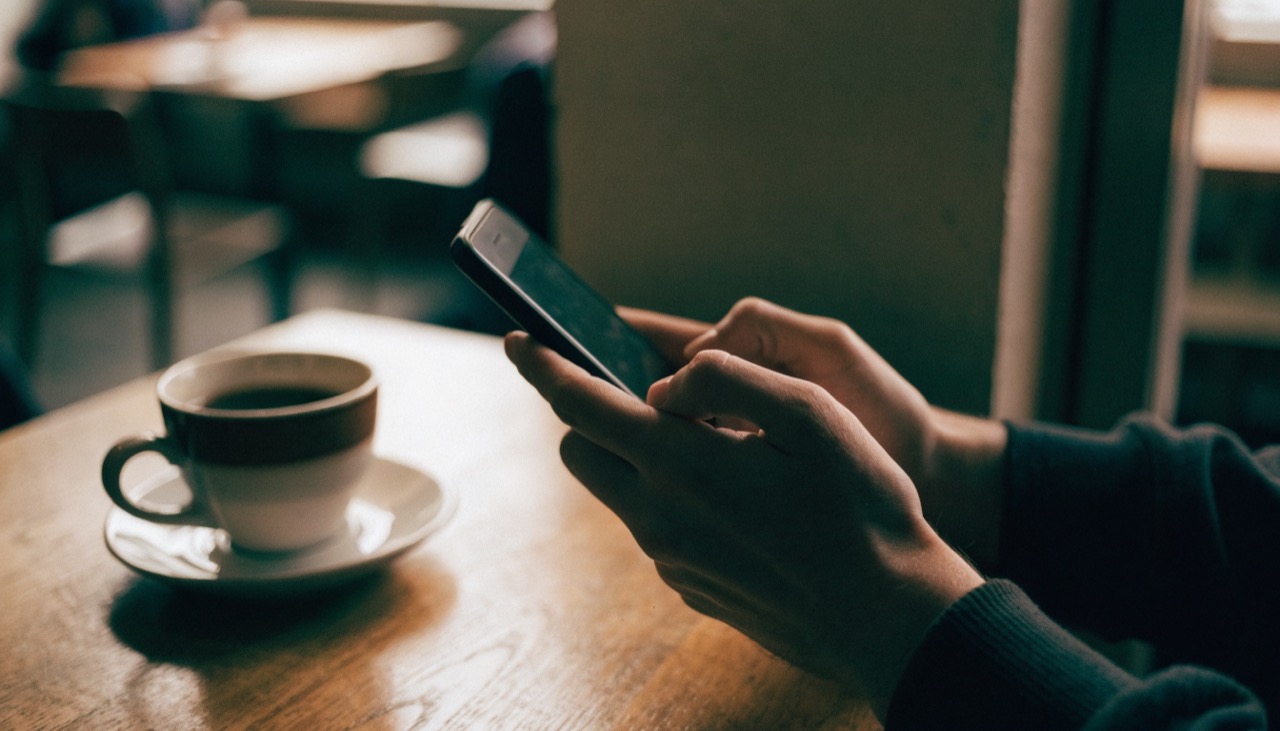
Every new article in your inbox
Every new article in your inbox